


Serengeti
Ngorongoro
Tarangire
Manyara
Zanzibar
Dar es Salaam
Kilimanjaro

Experience a seven-nights retreat at Meliá Zanzibar, where leisure is paramount daily. Nestled in luxury, each night promises tranquility in this idyllic haven. With world-class amenities and Zanzibar's serene ambiance, indulge in seamless comfort and leisure throughout your unforgettable stay.
$2,850 - $3,600 per Person

Savor seven nights of bliss in the Terrace Room where opulence meets serenity. Indulge in culinary delights amid the luxury of your private terrace, offering breathtaking views. This retreat promises a perfect blend of relaxation and sophistication, creating lasting memories on the captivating shores of Zanzibar.
$1,800 - $2,450 per Person

Experience pure indulgence in a seven-nights retreat at Zuri Zanzibar, where the lavish Three-Bedroom Villa awaits. Luxuriate in the spacious elegance, enjoying the perfect blend of comfort and sophistication. Seven nights of tranquility unfold in this haven, creating enduring memories on Zanzibar's enchanting shores.
$4,950 - $9,000 per Person

Indulge in a seven-nights escape, where luxury meets tranquility at the opulent Gold Zanzibar Hotel. Immerse yourself in lavish accommodations, surrounded by the pristine beauty of Zanzibar's shores. Each night promises a retreat into comfort and sophistication, creating a seamless fusion of relaxation and indulgence throughout your unforgettable stay.
$2,100 - $3,350 per Person

Experience seven nights of pure luxury in the Royal Zanzibar's Superior Room. Indulge in comfort and elegance while surrounded by the stunning beauty of the resort. Your retreat promises a perfect blend of relaxation on the captivating shores of Zanzibar, creating lasting memories in this tropical paradise
$1,150 - $1,950 per Person

Discover the Luxury Tanzania Family Safari, seamlessly blending cultural immersion and wildlife adventure. Explore the Maasai Tribal Village, enjoy exclusive Private Game Drives, and savor a Hot Bush Lunch in nature. Elevate your experience with a captivating Hot Air Balloon Safari and explore coastal wonders in Zanzibar. A meticulously crafted journey awaits, ensuring an unforgettable family escapade.
Visit Lake Manyara, Ngorongoro, Serengeti & Zanzibar.
$7,400 - $10,600 per Person

Experience 13 nights by traverse the enchanting landscapes of Lake Manyara, the breathtaking Ngorongoro Crater, and the iconic Serengeti during a captivating safari. Conclude your journey in the tropical haven of Zanzibar, where pristine beaches and cultural richness create the perfect finale to this unforgettable exploration.
Visit Lake Manyara, Ngorongoro, Serengeti & Zanzibar.
$6,350 - $9,800 per Person

Imagine a joyful 13-nights Beach to Bush to Beach Safari, where azure waters meet untouched Zanzibar beaches. Explore Stone Town's charm, venture into Serengeti's wild party of untamed wildlife, a delightful blend of coastal bliss and safari adventures.
Visit Zanzibar Beaches, Stone Town, Serengeti National Park & Ngorongoro Crater
$5,400 - $8,000 per Person







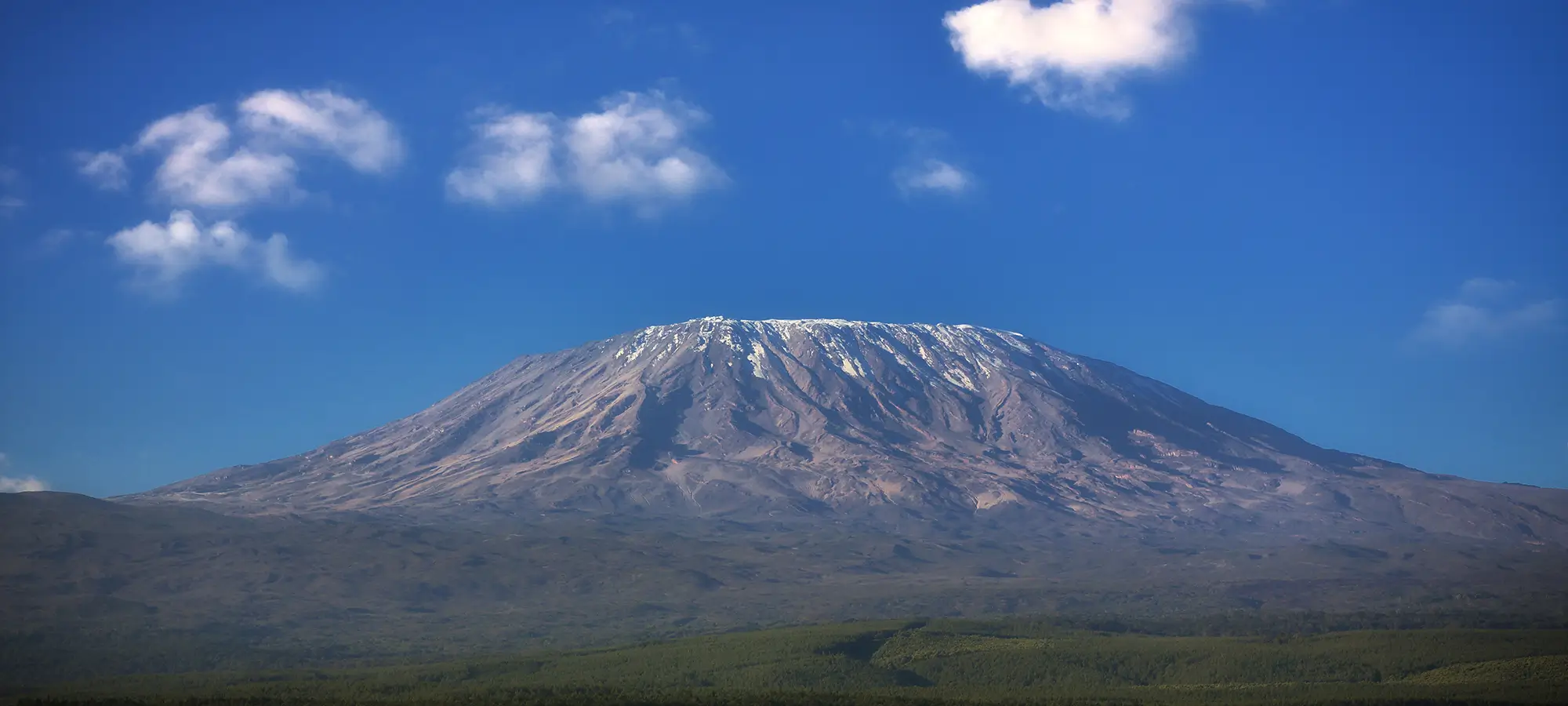
Scaling Majestic Heights: Conquering Mount Kilimanjaro – Africa’s Most Iconic Mountain Adventure
Picture yourself standing atop Mount Kilimanjaro, the highest peak in Africa, surrounded by breathtaking views of Tanzania's vast landscapes. Scaling majestic heights, conquering this iconic mountain adventure is an experience like no other. In this awe-inspiring journey, you'll push your limits, both physically and mentally, as you navigate through diverse terrains, from lush rainforests to...